
Return
In what ways have you turned away from God and his commandments? How do you need to return to God?
When God feels far away from us, it is usually the case that we have turned away from God and his commandments.
When we are distant from God, we can regain intimacy with God by returning to him and by obeying his word.
In the Minor Prophet book of Malachi, God spoke to his people saying, “From the days of your fathers you have turned aside from my statutes and have not kept them. Return to me, and I will return to you, says the Lord of hosts. But you say, ‘How shall we return?’” (Malachi 3:7, ESV).
Responsibility
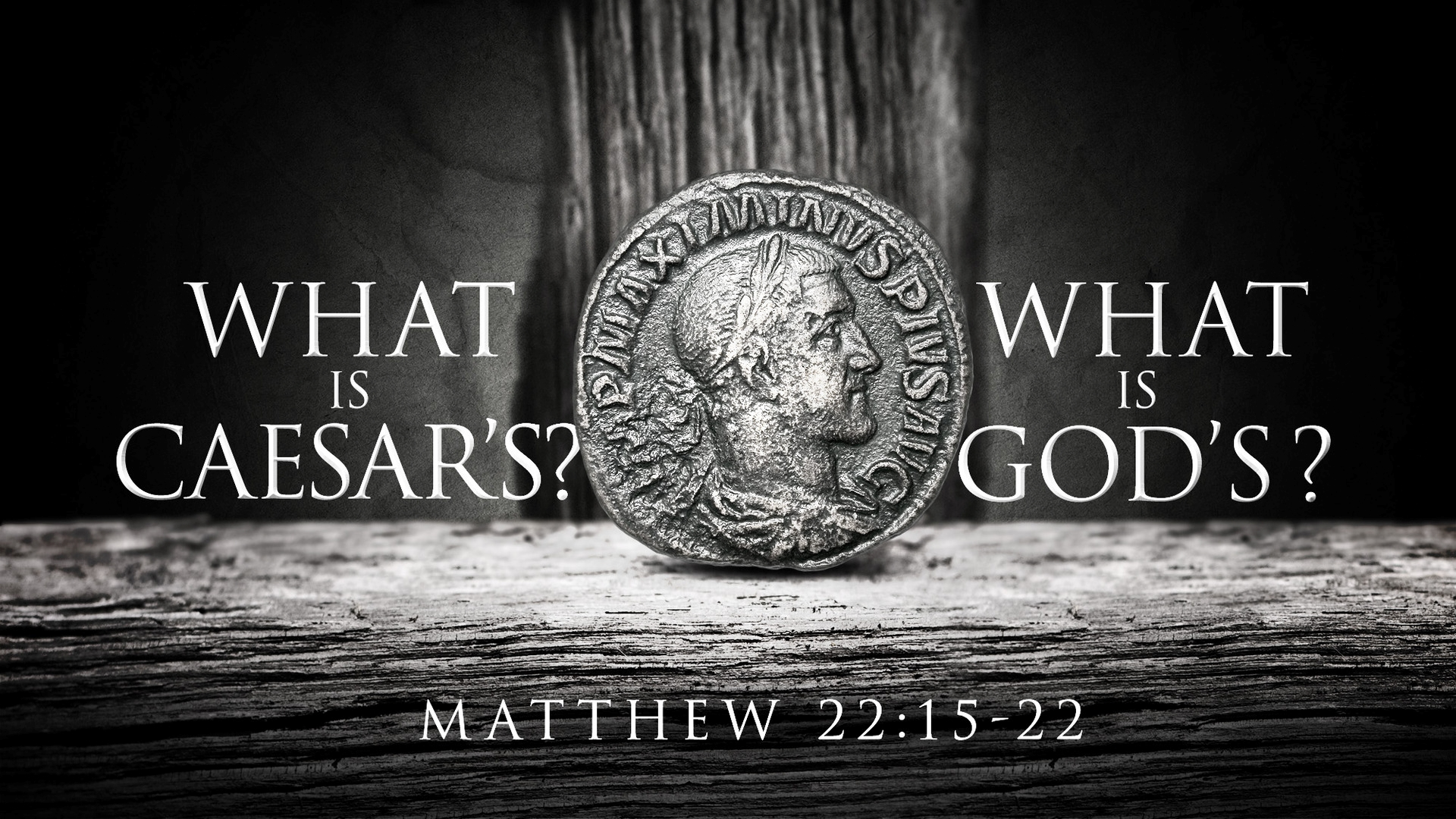
What belongs to the governing authorities? What belongs to God? As followers of Jesus, what should we give to the government and what should we give to God?
As followers of Jesus, we have a responsibility to the authorities and to the governing bodies who are over us, recognizing that it is God who has given us all things, it is God who has put government in place, and it is God who has given authority.
All things belong to God and God has given us all things.
This dynamic of giving the governing authority their due, while simultaneously giving God his due, is what Jesus was addressing when he was being tested by the Pharisees and the religious leaders in Matthew 22:15-22, when the Pharisees plotted how they would entangle Jesus in his words.

A Heavenly Celebration
What is it like for you to imagine heaven? Have you considered what God’s Kingdom will be like? Are you confident you have an invitation to join God in his Kingdom? Are you making preparations to join the heavenly feast?
Most of us do not regularly consider heaven. We certainly do not make preparations for the life to come when we are so consumed by this life and our present cares and concerns.
In Matthew’s gospel account, Jesus told a parable of the Kingdom of God, saying, “The kingdom of heaven may be compared to a king who gave a wedding feast for his son” (Matthew 22:8-10, ESV).

The Wicked Tenants
Do you see yourself as a tenant in God’s vineyard? What kind of tenant are you? Are you a good tenant? Are you a faithful tenant? Does God get his due?
In the Parable of The Wicked Tenants in the Vineyard, Jesus tells a story of a man who planted a vineyard and leased it out to tenants with the expectation they would cultivate the vineyard and pay him some of the fruit at harvest time.
The wicked tenants in the vineyard refused to give the owner of the vineyard his fruit and killed his servants whom he sent to collect payment, not once, but several times.
Matthew’s gospel account tells us, “Finally he sent his son to them, saying, ‘They will respect my son.’ But when the tenants saw the son, they said to themselves, ‘This is the heir. Come, let us kill him and have his inheritance.’ And they took him and threw him out of the vineyard and killed him.” (Matthew 21:37-39, ESV).

Doing the Word
What does it mean to listen to God? How do we know we are doing God’s will? How do we live within the will of God?
Followers of Jesus are to hear the word of God and do the word of God. We can know the will of God by knowing God’s word. We can know we are living in the will of God by doing what God’s word says.
In John’s Gospel account, Jesus said, “If you love me, you will keep my commandments.” (John 14:15, ESV).
James, the half brother of Jesus, wrote, “Be doers of the word, and not hearers only, deceiving yourselves.” (James 1:22, ESV).
You may have heard the expression, “Talk is cheap.” God is less concerned with what we know, and with what we say we will do to obey him, as he is concerned with us being faithful in doing what he says.

Cost and Benefit
Have you ever asked the question, or thought, “What is in it for me?” Have you ever weighed the cost versus the benefit of a situation or choice?
Sacrificially and obediently following Jesus can be costly. If we are honest with ourselves and with God, we may wonder if following Jesus is worth it.
Can we trust God with our lives? Can we trust God to treat us justly? Does God have our best interest in mind?
In Matthew’s gospel account, after Jesus confronted a young rich man concerning valuing his riches above following him, Jesus’ own disciples questioned what benefit they would receive as a result of sacrificially following him.
Working in God’s Vineyard
Are you making the most of the time that you have to do the work of God’s Kingdom in the world? How much time do you have to do the work of God? When did God call you into His Vineyard? How long have you been laboring? How much longer do you have to do the work God has given you to do?
Each of us is called to do the Kingdom work of God in the world. We are laborers invited into the master’s vineyard.
In Matthew 20:1-16, Jesus tells the parable of the laborers who are hired to work in the master’s vineyard. Jesus said, “For the kingdom of heaven is like a master of a house who went out early in the morning to hire laborers for his vineyard.” (Matthew 20:1, ESV).
In the first century Jewish context, a day was considered sun up to sundown, 6:00am-6:00pm, and was divided into four three-hour segments (ESV Study Bible, Crossway, © 2008). In John’s Gospel, Jesus said, “Are there not twelve hours in the day? If anyone walks in the day, he does not stumble, because he sees the light of this world.” (John 11:9 ESV).
Forgiven the Unforgivable
What is the debt you owe God? What debt do you owe others? Could you live long enough, make enough resources, and have enough time to pay off all your debts?
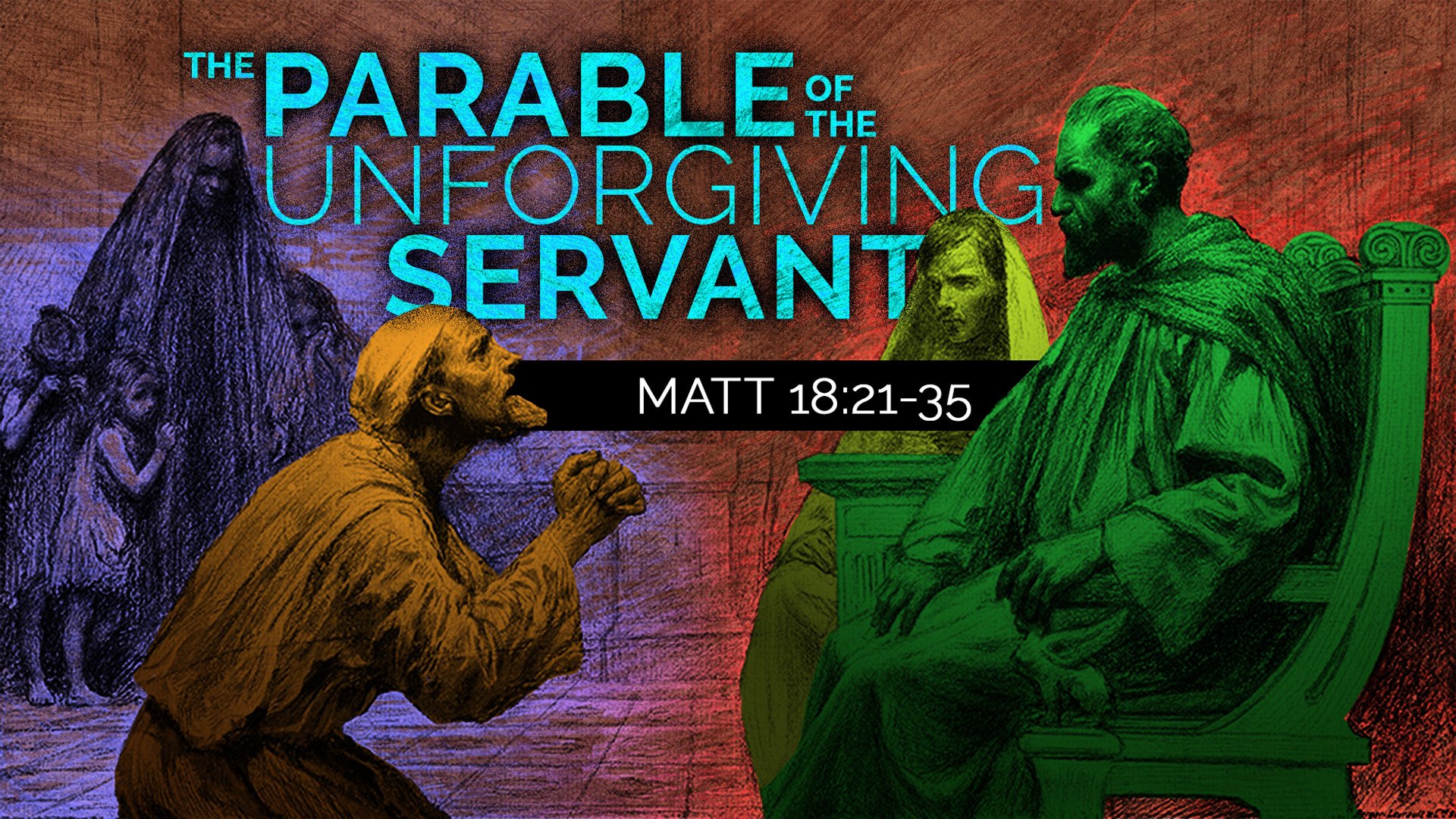
We all have been forgiven an unforgivable debt by God. We owe God everything and we could never repay him for all he has given us.
We have also sinned against God and our neighbor to an extent that we could never repay what we owe, or restore all that we have lost. We could never pay full restitution for the transgressions we have committed in this life.
Before telling the Parable of the Unforgiving Servant, Peter came up and said to Jesus, “‘Lord, how often will my brother sin against me, and I forgive him? As many as seven times?’ Jesus said to him, ‘I do not say to you seven times, but seventy-seven times.’” (Matthew 18:21-22, ESV).

The Spirit’s Prayer
How can you pray when you do not have the words to say? When you are too weak to speak how do you cry out to God?
When we are too weak to pray and do not have the words to say to God, the Holy Spirit helps us pray.
The Apostle Paul wrote the believers in Rome, saying, “Likewise the Spirit helps us in our weakness. For we do not know what to pray for as we ought, but the Spirit himself intercedes for us with groanings too deep for words.” (Romans 8:26, ESV).

Great Reward
What reward do we experience from living in humility and fearing God?
God’s word promises us an abundance, honor, and life when we look to God above ourselves and reverence God above everything.
The wisdom of the Proverbs tells us, “The reward for humility and fear of the LORD is riches and honor and life.” (Proverbs 22:4, ESV).

Waiting in Strength and Courage
Where is God when you are not at your strongest and afraid? Do you wait for God when you are weak and fearful?
When we come to the end of our own strength and courage, it can be difficult to see how God is working. It is in these challenging and scary moments that we need to trust God and wait on God the most.
The Psalmist writes, “Be strong, and let your heart take courage, all you who wait for the LORD!” (Psalm 31:24, ESV).

Overcome
Are you being overcome, or are you overcoming?
We can be overcome by the evil in this world, or we can overcome evil with God’s goodness.
The Apostle Paul wrote the church in Rome, encouraging them, saying, “Do not be overcome by evil, but overcome evil with good.” (Romans 12:21, ESV).

Knowing Jesus
Who do you believe Jesus is? How has your belief in Jesus shaped how you live out your faith in life?
Our belief about Jesus shapes how we believe in Jesus and how we orchestrate our lives. There is a difference in knowing about God and actually knowing God and living out our faith in the world. If Jesus is who he says he is, this truth changes everything.
In the gospel of Matthew, Jesus asked his disciples to identify who he is. Matthew tells us, “Now when Jesus came into the district of Caesarea Philippi, he asked his disciples, ‘Who do people say that the Son of Man is? And they said, ‘Some say John the Baptist, others say Elijah, and others Jeremiah or one of the prophets.’” (Matthew 16:13-14, ESV).

From, Through, and To God
Where did all things come from? How do things come to be? What is the purpose of life and what is the end?
Every worldview and religion seeks to answer five essential questions: 1. Where did I come from? 2. Why is there such a mess in the world? 3. Is there any hope? 4. What am I here for? And 5. What happens to me when I die?
The Bible lays out a narrative that comprehensively answers these five questions in four storylines: 1. The creation of God. 2. The fall of humanity. 3. God’s rescue plan of sending Jesus to die and resurrect to overcome and defeat the sin of the world. And 4. God’s restoration of all things through his resurrection and his coming kingdom.
The Apostle Paul wrote a theologically comprehensive statement about God and his redemptive story in his benediction in his letter to the believers in Rome. In chapter eleven, verse thirty-six, Paul wrote, “For from him and through him and to him are all things. To him be glory forever. Amen.” (Romans 11:36, ESV).

Knowledge of God
What do you know about God? How much more is there to know about God? Have you thought like God?
The follower of Jesus is called into a deep knowledge and understanding of God. We can know God and have insight into the character of God. At the same time, the knowledge of God is endless.
The Apostle Paul encouraged the believers in Rome, saying, “Oh, the depth of the riches and wisdom and knowledge of God! How unsearchable are his judgments and how inscrutable his ways! ‘For who has known the mind of the Lord, or who has been his counselor?’ ‘Or who has given a gift to him that he might be repaid?’ For from him and through him and to him are all things. To him be glory forever. Amen.” (Romans 11:33-36, ESV).

Continuing in God’s Kindness
What does it take for us to remain in the love of God? How do we go from unbelieving to believing and remain a part of God’s family tree?
God has shown his kindness to everyone who continues to walk in the kindness of God. Even when we have gone astray, God has grafted us into his family tree—making us his family.
Paul instructed the Roman believers in Jesus, saying, “Note then the kindness and the severity of God: severity toward those who have fallen, but God's kindness to you, provided you continue in his kindness. Otherwise you too will be cut off. And even they, if they do not continue in their unbelief, will be grafted in, for God has the power to graft them in again.” (Romans 11:22-23, ESV).

Gathered
Who does God gather to himself? Have you ever been distant and estranged from God. Have you been gathered by God?
God cares for all people all the time. The prerequisite for God gathering us is that we are scattered and astray.
God spoke through the Prophet Isaiah, saying, “The Lord God, who gathers the outcasts of Israel, declares, ‘I will gather yet others to him besides those already gathered.’” (Isaiah 56:8, ESV).
God gathers all his children. God gathers his chosen people and God gathers the outcasts to be his children. God gathers the near and the far away.

The Company We Keep
What company do you keep? Are you like the people you invest your time with? Are you like the company you keep? Who are you becoming?
We become like those we spend time with, for better or for worse.
The wisdom of the Proverbs teaches us, “Whoever walks with the wise becomes wise, but the companion of fools will suffer harm.” (Proverbs 13:20, ESV).
When we spend time with the wise, we become wise.

Grafted In
Are you connected to God and his family tree? Where are you rooted? How are you rooted? In what way are you connected to the family of God?
As followers of Jesus, we are grafted into the family of God. We should never take our salvation for-granted. Like a wild olive branch that has been grafted into an olive tree, we have been graciously brought into the family of God. We are sustained and given life by God’s provision and nourishment.
The Apostle Paul wrote the believers in Rome, saying, “But if some of the branches were broken off, and you, although a wild olive shoot, were grafted in among the others and now share in the nourishing root of the olive tree, do not be arrogant toward the branches. If you are, remember it is not you who support the root, but the root that supports you. Then you will say, “Branches were broken off so that I might be grafted in.” (Romans 11:17-19, ESV).

Crossing Over
What barriers are you willing to cross over for others to know and to experience Jesus? Are you willing to cross barriers to reach people you do not like, who are different than you, who do not share your values, or who offend you in some way, so that they can know Jesus and be rescued by him?
Followers of Jesus are to go to great lengths to cross barriers for others to know and experience Jesus’ salvation.
In Matthew’s gospel account Jesus crossed over the Sea of Galilee to reach out to pagan Gentile unbelievers. Jesus crossed over the great divide and the cultural and religious barriers to reach the lost and hurting Gadarenes.
Matthew tells us, “And when they had crossed over, they came to land at Gennesaret. And when the men of that place recognized him, they sent around to all that region and brought to him all who were sick and implored him that they might only touch the fringe of his garment. And as many as touched it were made well.” (Matthew 14:34-36, ESV).